The Human Form in Art

Audience
All Ages

Price
Halls Admission

Language
English, Spanish

Location
Green Wing, Level 2
Overview
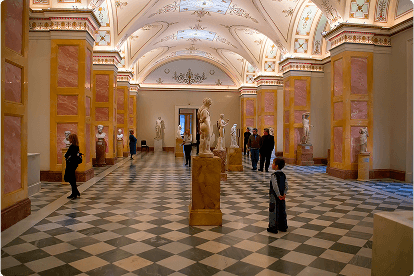
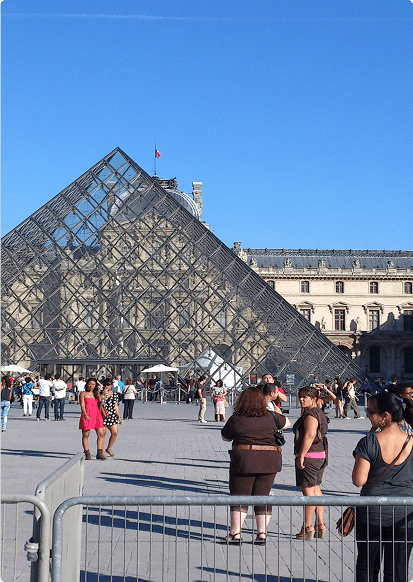
The "Human Form in Art" collections often feature art that spans across cultures and time periods, all focusing on how artists have represented the human body. Museums that house these collections, such as the Metropolitan Museum of Art, the Louvre, or the British Museum, showcase a range of artwork that explores the human form in various ways, each piece highlighting different aspects of human nature, society, and aesthetics.

Ancient Sculptures
Ancient Egyptian, Greek, and Roman sculptures often emphasize idealized beauty and heroic form. Greek statues like those of Aphrodite or Hermes often reflect ideals of physical perfection, while Egyptian statues are more rigid and symbolic, representing both humanity and divinity.
Medieval and Renaissance Paintings
Ancient Egyptian, Greek, and Roman sculptures often emphasize idealized beauty and heroic form. Greek statues like those of Aphrodite or Hermes often reflect ideals of physical perfection, while Egyptian statues are more rigid and symbolic, representing both humanity and divinity.
Baroque and Romantic Art:
Ancient Egyptian, Greek, and Roman sculptures often emphasize idealized beauty and heroic form. Greek statues like those of Aphrodite or Hermes often reflect ideals of physical perfection, while Egyptian statues are more rigid and symbolic, representing both humanity and divinity.
Ancient Sculptures
Ancient Egyptian, Greek, and Roman sculptures often emphasize idealized beauty and heroic form. Greek statues like those of Aphrodite or Hermes often reflect ideals of physical perfection, while Egyptian statues are more rigid and symbolic, representing both humanity and divinity.
Modern and Contemporary Art
Ancient Egyptian, Greek, and Roman sculptures often emphasize idealized beauty and heroic form. Greek statues like those of Aphrodite or Hermes often reflect ideals of physical perfection, while Egyptian statues are more rigid and symbolic, representing both humanity and divinity.
Non-Western Art
Ancient Egyptian, Greek, and Roman sculptures often emphasize idealized beauty and heroic form. Greek statues like those of Aphrodite or Hermes often reflect ideals of physical perfection, while Egyptian statues are more rigid and symbolic, representing both humanity and divinity.
Photography and Digital Art
Ancient Egyptian, Greek, and Roman sculptures often emphasize idealized beauty and heroic form. Greek statues like those of Aphrodite or Hermes often reflect ideals of physical perfection, while Egyptian statues are more rigid and symbolic, representing both humanity and divinity.
Each of these works shows a unique perspective on what it means to be human, offering visitors insight into the evolving representation of the human body across time and culture.